
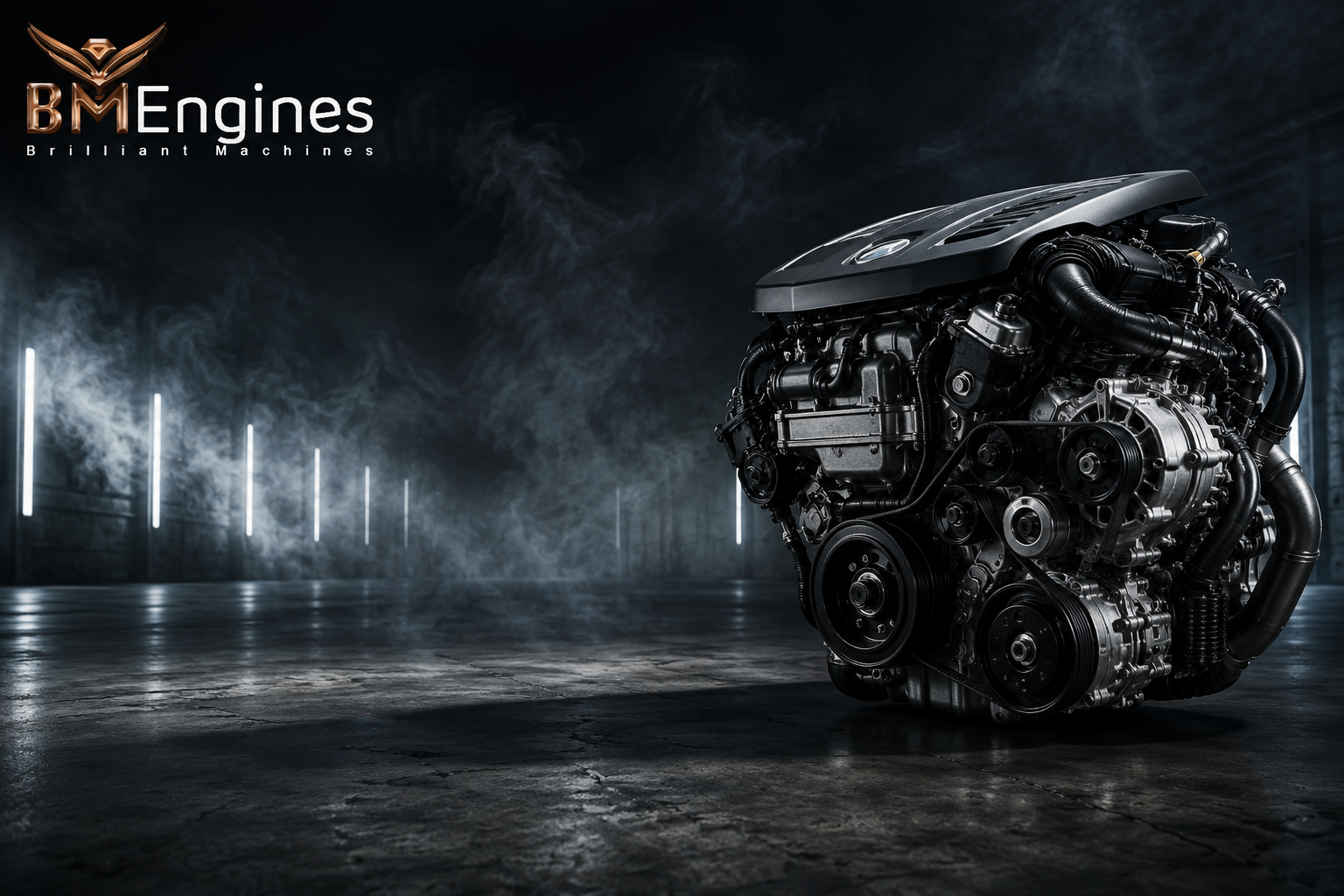
BMW has earned a reputation for producing some of the most advanced and enjoyable engines in the automotive industry. Whether powering a compact 1 Series hatchback, a family-friendly X3 SUV, or a high-performance M model, BMW engines are known for combining efficiency, refinement, and strong performance. In the UK, several engine families have become particularly popular due to their widespread use across BMW’s best-selling vehicles. Understanding these engines is essential for anyone considering a used BMW, researching reliability, or exploring engine replacement options. Among the most common BMW engines found on UK roads today are the B38, B48, B47, B58, and B57. These engines power some of BMW’s highest-selling models and have established themselves as the backbone of the brand’s petrol and diesel line-up.
| Engine Code | Fuel Type | Capacity | Popular BMW Models |
|---|---|---|---|
| B38 | Petrol | 1.5L Turbo | 118i, 218i, X1 sDrive18i |
| B48 | Petrol | 2.0L Turbo | 320i, 330i, X1 20i, X3 20i |
| B47 | Diesel | 2.0L Turbo Diesel | 320d, 520d, X1 20d, X3 20d |
| B58 | Petrol | 3.0L Turbo | M340i, X3 M40i, Z4 M40i |
| B57 | Diesel | 3.0L Turbo Diesel | 330d, 530d, X5 30d |
| S58 | Petrol | 3.0L Twin-Turbo | M2, M3, M4 |
BMW B38 Engine
The BMW B38 is a 1.5-litre three-cylinder turbocharged petrol engine that has become one of the most common engines in the UK thanks to the popularity of the BMW 1 Series and X1. Despite its small capacity, the B38 delivers impressive fuel economy and responsive performance, making it particularly attractive to urban drivers and commuters. Owners generally report strong reliability, although higher-mileage examples can occasionally develop ignition coil, cooling system, or turbo actuator issues. When serviced correctly, the B38 is capable of covering well over 150,000 miles.
BMW B48 Engine
The B48 is BMW’s highly regarded 2.0-litre turbocharged four-cylinder petrol engine and is arguably the company’s most important modern powerplant. It can be found in numerous BMW models, from the 3 Series to the X3 SUV. The engine offers an excellent balance between performance and efficiency while maintaining a strong reputation for reliability. Most issues associated with the B48 are relatively minor and typically involve coolant leaks, PCV valve wear, or carbon build-up over extended periods. Regular servicing is usually enough to keep these engines running smoothly for many years.
BMW B47 Engine
For drivers covering high annual mileage, the B47 diesel engine remains one of BMW’s most popular choices in the UK. Found in models such as the 320d and 520d, the B47 is valued for its strong fuel economy, refinement, and long-distance capability. BMW significantly improved the timing chain design compared to the older N47 engine, helping to strengthen its reliability reputation. However, like many modern diesel engines, the B47 can experience DPF, EGR, and AdBlue-related issues if used mainly for short journeys.
BMW B58 Engine
The B58 is widely considered one of the finest engines BMW has ever produced. This 3.0-litre turbocharged straight-six petrol engine combines exceptional performance with remarkable durability, making it a favourite among enthusiasts and specialists alike. Found in vehicles such as the M340i and X3 M40i, the B58 offers smooth power delivery, excellent tuning potential, and strong long-term reliability. While occasional coolant and oil leak issues can occur, the engine has proven itself to be one of BMW’s most dependable modern designs.
BMW B57 Engine
The B57 is BMW’s flagship six-cylinder diesel engine and remains highly sought after by drivers looking for effortless motorway cruising and impressive towing capability. Commonly fitted to larger saloons and SUVs, the B57 delivers substantial torque while maintaining excellent fuel efficiency. As with most modern diesel engines, emissions-related components such as the EGR system, DPF, and AdBlue equipment require regular maintenance, but the core engine itself is widely regarded as robust and long-lasting.
BMW Engine Replacement Costs in the UK
Engine replacement costs vary depending on engine type, availability, mileage, and whether the replacement unit is used, reconditioned, or fully rebuilt. Labour costs can also vary considerably depending on the complexity of the installation and any additional components that may require replacement during the process.
| BMW Engine | Estimated Replacement Cost |
| B38 1.5 Petrol | £2,500 – £4,500 |
| B48 2.0 Petrol | £3,000 – £5,500 |
| B47 2.0 Diesel | £3,000 – £5,500 |
| B58 3.0 Petrol | £5,000 – £9,000 |
| B57 3.0 Diesel | £5,500 – £10,000+ |
| S58 Performance Engine | £8,000 – £15,000+ |
BM Engine Specialists supplies and installs replacement BMW engines throughout the UK, including London, Birmingham, Manchester, Liverpool, Leeds, Sheffield, Nottingham, Leicester, Bristol, Newcastle, Glasgow, Edinburgh, and Cardiff. Whether you require a replacement B47 diesel engine or a reconditioned B58 petrol engine, professional installation and expert diagnostics can help extend the life of your BMW while reducing overall ownership costs.
Frequently Asked Questions
What is the most popular BMW engine in the UK?
The B48 petrol and B47 diesel engines are currently among the most common BMW engines in the UK due to their use across several of BMW’s best-selling models.
Which BMW engine is the most reliable?
The B58 is widely regarded as BMW’s most reliable modern petrol engine, while the B47 is considered one of the strongest diesel options.
How long do BMW engines last?
With proper maintenance, many modern BMW engines can exceed 200,000 miles before requiring major repairs.
How much does a BMW engine replacement cost in the UK?
Replacement costs typically range from £2,500 to more than £10,000 depending on the engine model and installation requirements.
Is replacing a BMW engine worth it?
For many owners, replacing an engine is often more cost-effective than replacing the entire vehicle, particularly on newer or higher-value BMW models.
Final Verdict
BMW’s B38, B48, B47, B58, and B57 engines continue to dominate the UK market thanks to their combination of performance, efficiency, and reliability. While each engine has its own strengths and potential maintenance requirements, regular servicing remains the key factor in long-term ownership. For drivers researching replacement engines or considering a used BMW, understanding these popular powerplants can help make a more informed buying decision and avoid costly surprises in the future.