
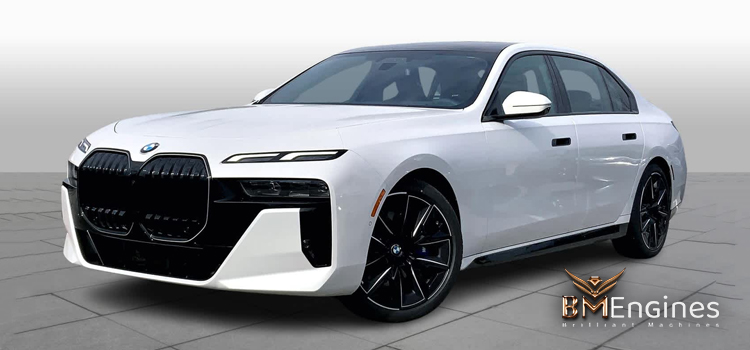
When a BMW 7 Series engine begins to show signs of wear, owners often face a crucial decision—whether to replace it or recondition it. Engine reconditioning, unlike a complete replacement, restores the original engine by repairing and refurbishing its critical components. This process is especially beneficial for luxury vehicles like the BMW 7 Series, where the original engine architecture is designed with precision and performance in mind. Reconditioned engines offer a cost-effective and environmentally sustainable solution, breathing new life into an aging powertrain. Moreover, reconditioning improves overall performance, reliability, and most importantly, engine lifespan. We explores how reconditioning enhances the longevity of a BMW engine, detailing each step in the process and its lasting benefits.
Disassembly and Inspection: The Foundation of Engine Reconditioning
The reconditioning process begins with a comprehensive disassembly of the BMW 7 Series engines. Each component—from the cylinder head to the crankshaft—is carefully removed for thorough inspection. This phase is vital because it identifies worn, damaged, or potentially failing parts that may not be evident without a teardown. Advanced diagnostic tools are used to check tolerances, surface cracks, and internal wear. These diagnostics help in mapping out a reconditioning plan tailored to the engine’s current condition. For BMW engines, which rely on precision engineering, even minor flaws can lead to performance issues or failures over time. Early detection through this step allows technicians to mitigate future risks, significantly extending the engine’s lifespan when reassembled and restored.
Cleaning and Degreasing: Eliminating Contaminants for Better Performance
Once disassembled, the next step in improving engine lifespan is cleaning and degreasing all parts. Years of oil sludge, carbon buildup, and debris can clog vital passages and interfere with engine performance. Specialized industrial cleaners and ultrasonic tanks are used to thoroughly clean every part of the BMW 7 Series engine. This cleaning process ensures that contaminants do not cause premature wear once the engine is rebuilt. Clean engine components also allow for more accurate measurements during reassembly, resulting in tighter tolerances and smoother operation. Reconditioned engines benefit greatly from this step, as it restores efficiency and promotes better thermal regulation—key factors in long-term engine durability.
Replacement of Worn Components: Breathing New Life into the BMW Engine
One of the most crucial stages in engine reconditioning is the replacement of all worn and damaged parts. Pistons, piston rings, bearings, gaskets, and timing components are among the commonly replaced items. In a BMW 7 Series engine, these parts must meet high-performance standards, and using OEM or equivalent quality components ensures reliability. Technicians may also upgrade some parts with newer, more durable materials. The goal is to bring the engine as close as possible to factory specifications or better. Replacing these components mitigates the risk of future failures and allows the engine to operate under optimal conditions, ultimately extending the lifespan and enhancing the overall performance of the reconditioned engine.
Precision Machining: Restoring Engine Geometry to OEM Specifications
Machining plays a central role in the reconditioning process. Precision tools are used to resurface cylinder heads, hone cylinder walls, and align crankshafts to factory specifications. In BMW engines, where performance and efficiency depend on tight tolerances, even slight deviations can affect reliability. Reconditioning shops employ computer-guided equipment to achieve micron-level accuracy, restoring the engine geometry to its original blueprint. This ensures better compression, smoother engine operation, and reduced mechanical stress. A properly machined engine runs more efficiently and experiences less wear over time. Therefore, this meticulous machining process significantly contributes to the extended lifespan of reconditioned BMW engines.
Balancing and Assembly: Ensuring Long-Term Engine Stability
After all machining and component replacements are complete, the BMW 7 Series engine is meticulously reassembled. During this phase, technicians balance internal components like the crankshaft, connecting rods, and pistons. Balancing reduces engine vibrations, which can lead to premature wear and failure if not addressed. Proper torque settings, lubrication, and clearances are maintained throughout the assembly to ensure peak performance. The assembly is usually done in clean-room environments to prevent contamination. A well-balanced and correctly assembled engine experiences less stress, runs smoother, and lasts longer. This step cements the improvements made in earlier stages and is critical to the long-term success of the reconditioned engine.
Testing and Quality Control: Verifying Reliability Before Road Use
Before a reconditioned BMW engine is installed back into a vehicle, it undergoes a series of stringent tests. These include compression tests, leak-down tests, and, in some cases, dyno testing. Each test is designed to simulate real-world conditions and ensure the engine performs as expected. Quality control checks are also done to verify that all parts are correctly installed, torqued to spec, and functioning properly. These tests help identify any remaining issues before the engine is put under operational stress. Through rigorous testing and quality assurance, the lifespan of a BMW engine is further reinforced, as it leaves no room for unnoticed faults or oversights that could lead to future breakdowns.
Enhanced Cooling and Lubrication Systems: Preventing Future Damage
Modern reconditioning of BMW 7 Series engines often includes improvements to the cooling and lubrication systems. Over time, these systems may degrade, leading to hotspots and poor oil distribution—two major causes of engine failure. During reconditioning, radiators, water pumps, oil pumps, and even oil coolers may be upgraded or replaced. This ensures that heat is managed effectively and that vital engine parts receive sufficient lubrication. Enhanced thermal and lubrication management reduces friction and prevents the accumulation of heat stress. These improvements are essential for maintaining the engine’s health over an extended period, contributing to the prolonged life and dependability of reconditioned engines.
Environmental and Economic Benefits: Longevity Meets Sustainability
Reconditioning not only extends the lifespan of a BMW engine but also aligns with sustainable and economic principles. Instead of scrapping an entire engine, which consumes more resources, reconditioning makes use of the existing engine block and other reusable components. This reduces environmental impact and saves money for the vehicle owner. BMW engines are engineered for long service lives, and with proper reconditioning, they can continue delivering high performance for years beyond their expected lifespan. Moreover, reconditioned engines often come with warranties, providing added peace of mind. The economic and environmental advantages of engine reconditioning make it a smart, long-term investment for BMW owners.